Blog ·
Understanding Your Home's Solar Potential
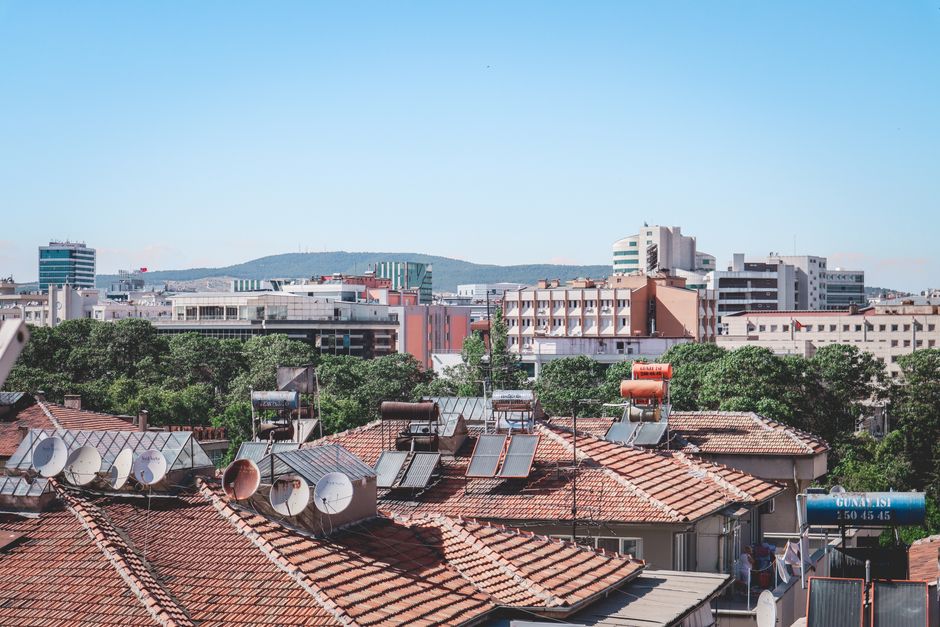
Before installing solar panels on your home, understanding your property's unique solar potential is essential. Every home receives different amounts of sunlight based on location, roof orientation, shading, and climate patterns. Professional solar installers conduct thorough assessments to ensure your system will perform optimally and provide the energy independence you're seeking.
Roof orientation matters significantly in solar performance. Panels facing south typically generate the most energy in North America, but east-facing and west-facing roofs can also produce excellent results. Your installer evaluates your home's exact roof angles and directions to position panels for maximum sun exposure throughout the year.
Shade patterns deserve careful attention during assessment. Trees, nearby buildings, and even chimneys can cast shadows that reduce panel efficiency. Professional evaluations identify which areas of your roof remain shaded during critical hours and which sections maintain consistent sunlight. Some homes may benefit from strategic tree trimming or placing panels in multiple locations to avoid shade entirely.
Climate Considerations
Your local climate directly impacts solar performance. While you might assume sunnier regions benefit most from solar, modern panels work efficiently even in cloudy areas. Snow reflects light and can help boost performance, while cooler temperatures actually improve panel efficiency. Professional installers understand regional weather patterns and design systems accordingly.
Assessing Your Energy Needs
Your home's energy consumption determines the size and configuration of your solar system. Installers review twelve months of utility bills to understand your household's usage patterns, identifying seasonal peaks and average daily consumption. Some homes use more energy during winter for heating, while others peak during summer air conditioning seasons. A properly sized system matches your actual needs.
Roof condition also factors into solar potential. Your roof should have adequate remaining life before installation, typically at least ten to fifteen years of durability. Installers inspect for structural integrity, existing damage, and material type, as different roof materials require different installation approaches.
Understanding these factors helps you make informed decisions about your solar investment. Professional assessment takes the guesswork out of transitioning to clean energy, ensuring your system is perfectly tailored to your home's unique characteristics and your household's energy goals.